LAC of the Future: A Summary of the Local Area Coordination National Gathering 2026
How will advances in technology, changes in health and care, and a growing focus on neighbourhoods shape the future of Local Area Coordination? And what does this mean for the people and communities LAC exists to support?
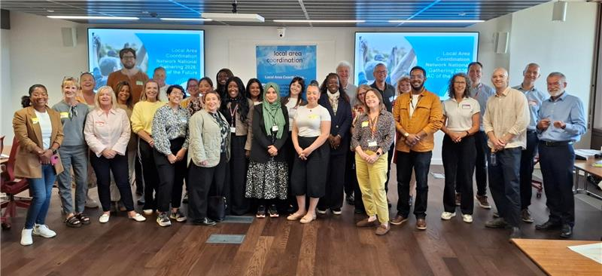
These were some of the questions explored at this year’s Local Area Coordination National Gathering, which brought together more than 100 people from across the Network and beyond, both in person and online. The Gathering gives Local Area Coordinators and colleagues from across the country a chance to step away from their day-to-day work, share experiences and consider what lies ahead. It’s also an opportunity to hear from people working in different fields and think about how their work connects with Local Area Coordination.
This year, we heard from Hazel Cuthbertson, who leads the LAC team in South Tyneside, about a new forum giving local people the opportunity to share their experiences of their communities and public services, with the aim of feeding those experiences back into the system. Researchers from the London School of Economics, Martha Snow and Dr Valentina Zigante, explored developments in technology and their implications for care and support. Simon Kaye from ReState considered the changing policy landscape and the opportunities this might create for LAC, while Sir David Robinson from the Relationships Project spoke about the future of relationships.
Technology is creating new possibilities for how people access care, support and opportunities to connect with others. But as more solutions become available, there is a risk that support becomes increasingly standardised, with people expected to fit around the options on offer.
This is where Local Area Coordination has an important part to play. LACs can help people make sense of the choices available to them, explore what matters to them and work out what might be right for their own circumstances. That might involve formal services, but it might equally involve family, friends, local groups or other opportunities within their community. The important thing is that people remain at the centre of decisions about their own lives.
The Gathering also highlighted the value of having opportunities to come together as a network. LAC teams work in very different places, with different populations, challenges and local priorities. Sharing experiences helps people see where their work is similar, where local circumstances call for different approaches, and what they might learn from one another. It’s also a chance to step back from the day-to-day and look at the bigger picture- so we’d like to offer a huge thanks to everyone, from the attendees to the fantastic speakers, who reflected together throughout the day.
Technology will change. Health and care services will change. The way we organise support in our communities will change too. But the things that matter to people are unlikely to change quite so much: having a say in their own lives, being able to make choices about the support they receive, feeling connected to others and having opportunities to contribute to the places they call home.
These are the things that sit at the heart of Local Area Coordination. And as the world changes, they are likely to matter more, not less.
Tom Richards,
Local Area Coordination Network Manager