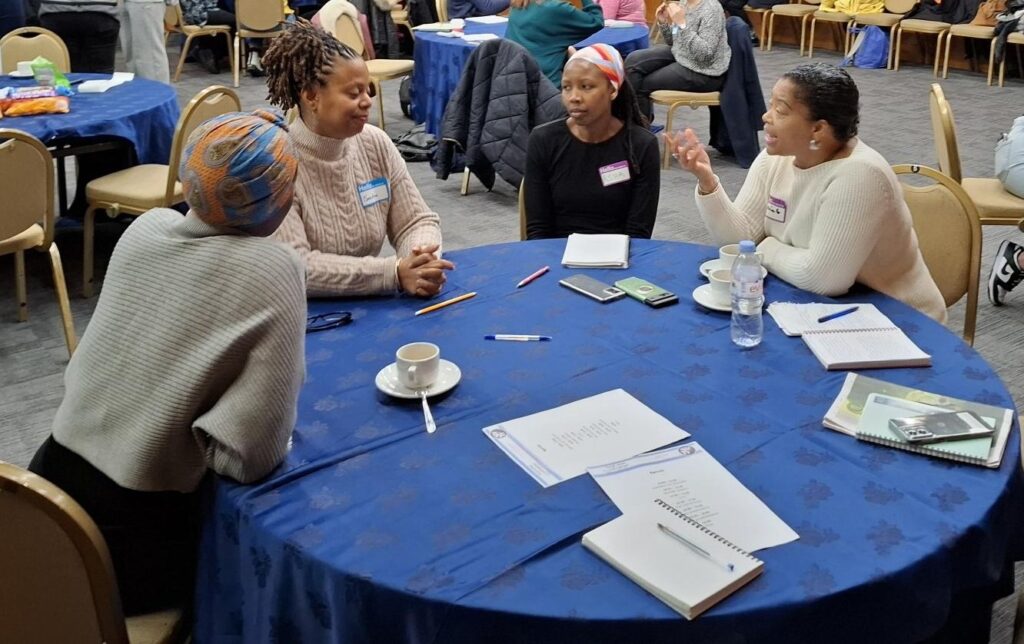
On Wednesday 10th September, we marked a special day in Derby as the Local Area Coordination Network came together to celebrate 15 years of Local Area Coordination in England.
At its heart, Local Area Coordination is the art of curiosity – asking the right question, listening for people’s motivations to change parts of their life, and noticing what really matters to people.
The NHS 10 Year Plan was launched last month, setting out some bold intentions: shifting focus to prevention, strengthening neighbourhood working, and bringing services closer to where people live. For almost 15 years in England and Wales, LAC has been quietly doing what the plan now calls for.
Numerous Local Area Coordination evaluations have pointed to relationships and relational practice being core to the success and distinctiveness of the approach. Approaches like Local Area Coordination work because they invest in people, listen deeply, and foster relationships that lead to real outcomes.
In an era of outputs, metrics, and KPIs, the word ‘trust’ can feel like a soft term – abstract, fuzzy, and difficult to quantify. Yet in Local Area Coordination (LAC), trust is not just a nice-to-have; it is the foundation upon which everything else is built.
A few weeks back, Local Area Coordination teams from 13 councils met together in-person for our bi-annual Regional Gatherings. One of the workshops featured a simple question: What would your 11th principle of Local Area Coordination be and why? We’re excited to share Theresa’s answer.
Buzzing Roots CIC discuss their close working relationship with Local Area Coordinators Katie Barradell, Kristi Trown, and Lauren Mason in Leicestershire.
A poem by Hazel, a lady from Havering who has experienced Local Area Coordination first-hand.
When people think about ‘success’ in the service system, it’s normal to focus on the big moments. We are taking this opportunity to focus on the little things that Local Area Coordination has to offer, as we know that real change often starts with something much smaller!
This interview with Katie Barradell (team lead and Local Area Coordinator in Blaby, Leicestershire) discusses a typical day working as a Local Area Coordinator.
This month, Local Area Coordination teams from across the country have been gathering in person to connect, reflect, and learn from one another.
Leadership groups are a vital pillar of Local Area Coordination. They bring together a wide range of voices, including people with lived experience, local community members, and senior system leaders from councils, health services, voluntary and community organisations, and other sectors.